#2 Misinformation and Disinformation In Social Media
Misinformation and Disinformation In Social Media
Social Media is the way most individuals receive their news and information. Due to many apps and news outlets we are able to receive notifications for trending topics within seconds of it happening. However we must be careful of what we believe and the sources in which we receive our information. There are two big factors when comprehending your news. Disinformation and Misinformation.

What is Disinformation?
Disinformation is information that is purposely put on the media to try and steer someone in the wrong direction. We can see this is multiple different aspects on social media. It can be things such as health related issues, political issues, and even just individuals trying to lead others in a negative way. Disinformation can present itself in many different ways, the ASP says that it can be spread by edited photos, doctored videos, word of mouth, and group messages. It also states that Disinformation is a threat to the nation and The U.S. National Security. Having a large social presence for people such as influencers, politicians and even yourself can put you at a high risk for the use of disinformation.
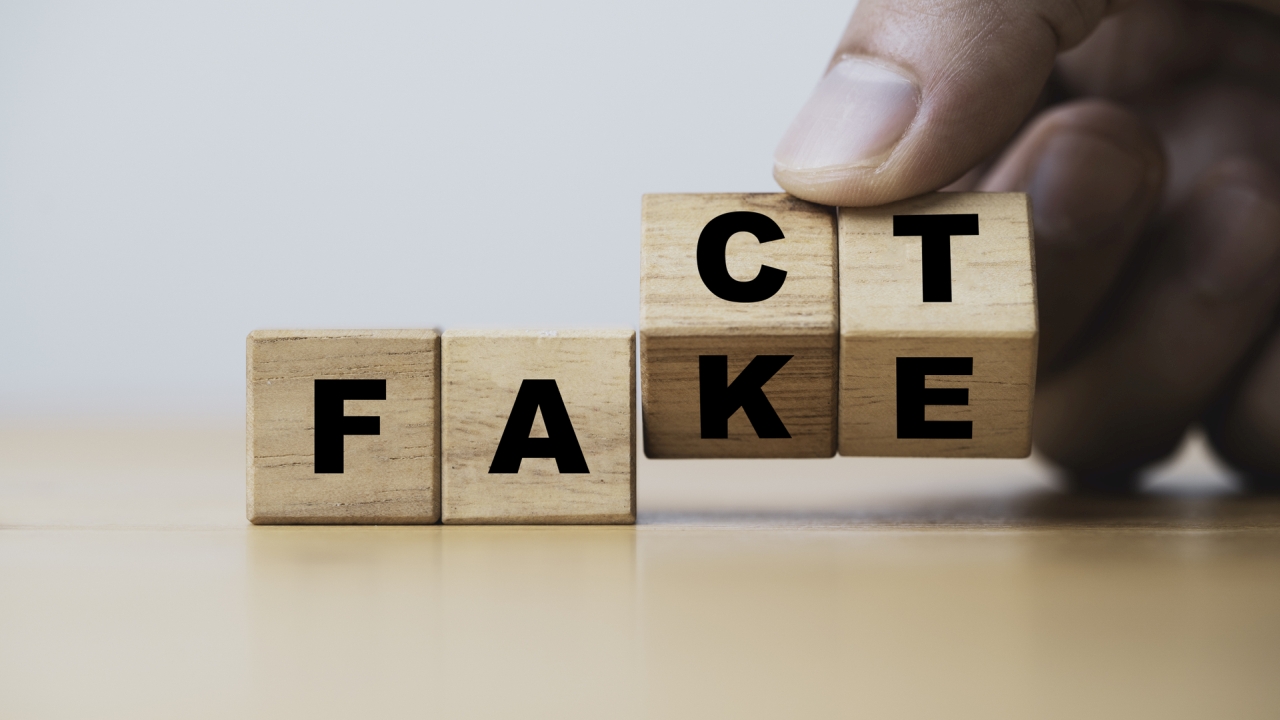
What is Misinformation?
Misinformation in a sense is a little like Disinformation but has a different motive. Misinformation is going to be a news outlet or individual who is pushing news out for the media or others, who don't have the correct information. Misinformation is information where it is not correct but not malicious or purposely leading individuals in the wrong direction. When I think about misinformation I typically think of it as a prank. It is not meant to be mean, but sometimes can be taken out of perspective and spread across to internet or through word of mouth. Also with the new production and use of AI misinformation has been seen quite a bit but have been working on combating those issues.
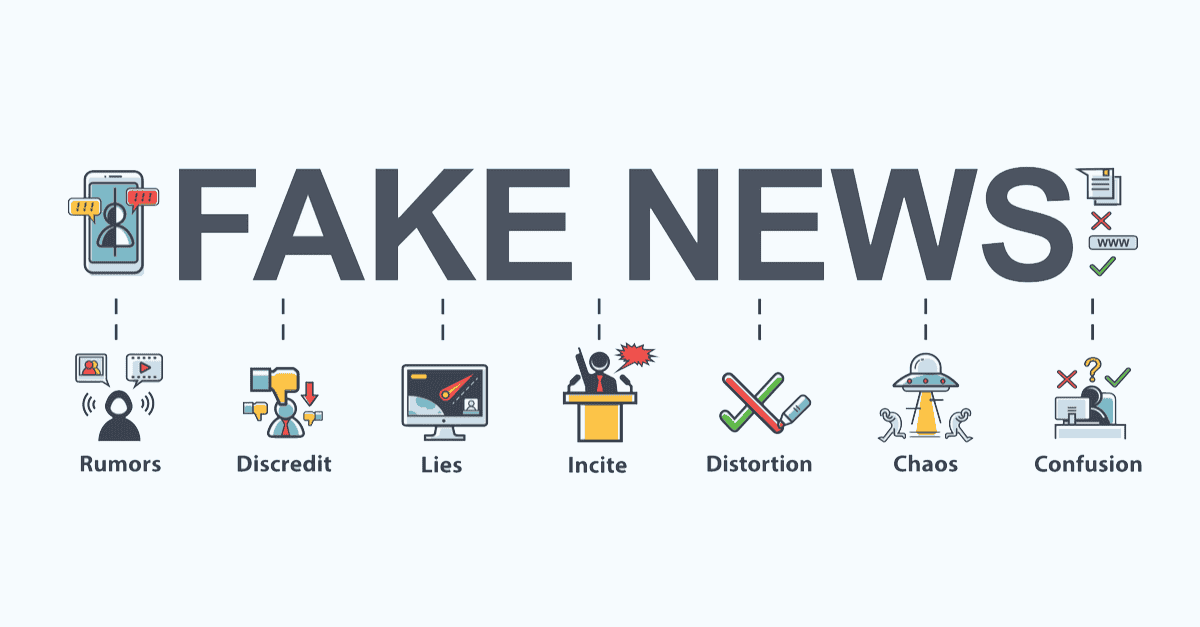
Common Forms of Misinformation and Disinformation.
Yik Yak is a common form of both disinformation and misinformation. Yik Yak is a college based app that allows individuals to post anonymously whatever they want. With Yik Yak people will post false and harming information targeting others. Although Yik Yak does have moderators to help take down harming information it is up to the consumers to get it down. After a post is. made you either upvote it or downvote it. As you upvote more people will see and it will be trending, as you downvote it after 5 downvotes it will be taken down. On Yik Yak you are not allowed to say names, yet users find a way to put the initials of the individual in the comments. This is why it is very important for individuals to pay attention and downvote harmful posts to keep misinformation as well as disinformation from spreading.

(Link in picture)
How can we Combat Misinformation and Disinformation?
- Use common sense. If an article or post says something completely off the walls, it most likely wouldn't be smart to follow it as it may be Disinformation.
- Fact Check, do your research and look at legitimate websites before just believing one of them.
- Report fake news or accounts. Scammers can make fake accounts of anyone and can spread fake news that looks like you did it. If you see this about an individual be sure to report it.
- Pay attention to the website and the format, does it look legit or credible? If not it probably is not something you should be reading or following.

Comments
Post a Comment